The Metrics That Reveal What’s Really Happening on Your Floor
Warehouse operations have never been under more pressure.
Customer expectations continue to rise. Order profiles are becoming more complex. Labor remains unpredictable. And automation, while promising, only delivers results when operations are measured and managed correctly.
At the same time, warehouse management systems now generate more data than ever before. The challenge isn’t access to information. It’s knowing which numbers actually matter.
Many operations track dozens of reports every week—yet still struggle to answer basic questions:
- Where are we losing productivity?
- Why are service levels slipping?
- Which processes are driving costs up?
- What needs attention right now?
The reality is simple: If you’re not measuring the right KPIs, you’re managing blind.
The New KPI Reality for Modern Warehouses
In the past, warehouse performance was often reviewed after the fact. Reports were generated weekly or monthly, and improvements came slowly.
That approach no longer works. In 2026, high-performing warehouses rely on real-time performance visibility to manage operations as they happen.
Instead of asking “What went wrong yesterday?” leaders are asking:
- What’s drifting right now?
- Where should we intervene during this shift?
- How can we prevent service failures before customers feel them?
This shift—from reporting to operational insight—is one of the biggest changes modern WMS platforms have introduced. But technology alone isn’t enough. Success still depends on choosing the right metrics to track.
The KPI Problem: Too Much Data, Not Enough Insight
Warehouse leaders have never had more data available to them. Modern warehouse management systems capture activity at every step—from receiving and putaway to picking, packing, and shipping.
Yet many operations still struggle to answer a simple question: Are we measuring the metrics that actually improve performance?
Tracking dozens of reports doesn’t necessarily lead to better decisions. In fact, too many KPIs can slow teams down, hide real problems, and distract from the metrics that truly drive service and profitability. The most effective operations focus on a smaller set of actionable KPIs—metrics that reveal what’s happening now and guide daily operational decisions.
Why Warehouse KPIs Still Matter
Every warehouse runs on measurement. Without it, it’s impossible to identify inefficiencies, understand trends, or improve customer outcomes. But measurement only works if the data is timely and relevant. Many organizations still rely on reports that are days—or even weeks—old. By the time problems appear in the data, the opportunity to correct them has already passed.
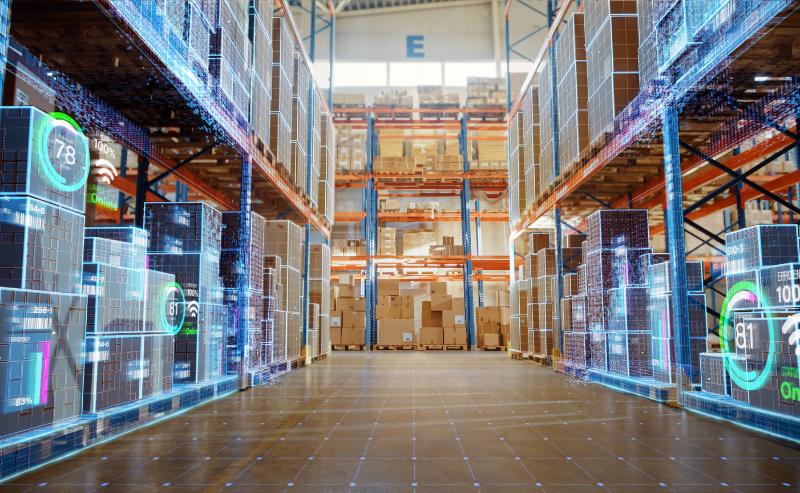
Modern WMS platforms change this dynamic by providing real-time visibility into operational performance, allowing teams to act immediately when processes drift off course. The goal isn’t to collect more data. The goal is to measure what matters and act on it quickly.
The Foundation: Measuring What Impacts Performance
Warehouse operations are made up of interconnected processes like receiving, storage, picking, packing, shipping, and replenishment. Problems in one area inevitably affect the others.
For example:
- Slow receiving delays product availability
- Poor inventory accuracy causes picking errors
- Inefficient replenishment slows fulfillment
That’s why warehouse leaders must look beyond isolated metrics and focus on performance across the entire operation. The right KPI framework reveals how the warehouse is functioning as a system—not just as individual tasks.
The 10 KPIs Every Warehouse Should Track
While every operation is different, high-performing warehouses tend to focus on a core group of metrics that reveal how the operation is truly performing. These KPIs provide a balanced view of service, productivity, inventory health, and financial efficiency:
- On-Time, In-Full (OTIF)
OTIF measures whether orders arrive exactly when expected and without shortages. It is one of the clearest indicators of customer experience and operational alignment.
- Order Accuracy
Order accuracy tracks whether the correct items and quantities are shipped. High-performing warehouses typically maintain accuracy rates above 99%, minimizing returns and service issues.
- Order Cycle Time
This KPI measures the time between order receipt and shipment. Faster cycle times indicate streamlined workflows and strong operational coordination.
- Dock-to-Stock Time
Dock-to-stock measures how quickly inbound inventory becomes available for fulfillment. Slow receiving processes can create ripple effects throughout the warehouse.
- Picks per Hour
Picking productivity remains one of the most important operational metrics. It reveals how effectively labor, slotting strategy, and workflows are working together.
- Inventory Accuracy
Inventory accuracy compares system inventory to physical inventory. High accuracy reduces stockouts, improves planning, and prevents fulfillment delays.
- Replenishment Completion Rate
This metric tracks whether forward pick locations are replenished before they impact order picking. Strong replenishment processes keep orders flowing smoothly.
- Cost per Order
Cost per order reveals how efficiently the warehouse converts activity into fulfillment. It helps leaders understand how labor, volume, and automation affect profitability.
- Inventory Turns
Inventory turns measure how often inventory cycles through the warehouse. Higher turns typically indicate better demand alignment and more efficient use of storage space.
- Labor Utilization
Labor utilization shows how effectively warehouse staff are deployed during a shift. It highlights idle time, bottlenecks, and opportunities for process improvement.
But just as important as knowing what to track is knowing what not to obsess over. Many warehouses spend valuable time monitoring metrics that create noise instead of insight.
The KPIs That Waste Your Time
Not every metric deserves a spot on your dashboard. Here are a few examples of KPIs that often create noise rather than insight:
Vanity Metrics
Metrics that look impressive but don’t influence decisions rarely improve performance.
Examples include:
- Total orders processed without context
- Total inventory handled
- Historical productivity averages without real-time comparison
Metrics Without Ownership
If no one is responsible for improving a KPI, it’s unlikely to change. Every metric should have a clear operational owner.
Lagging Indicators
Metrics that only appear in monthly reports limit the ability to correct issues quickly. Real-time dashboards are far more effective.
How Leading Warehouses Are Using KPIs in 2026
The biggest shift in modern warehouse management isn’t which KPIs companies track—it’s how quickly they can act on them.
Leading operations are moving toward:
- Real-time KPI dashboards
- Automated alerts when performance drops
- Data-driven labor management
- Continuous operational improvement
Instead of reviewing reports after the fact, managers can intervene during the shift and correct issues before service levels suffer. This shift from reporting to real-time operational control is what separates high-performing warehouses from the rest.
Final Thoughts: Measure Less, Improve More
Warehouse performance doesn’t improve because of dashboards. It improves when teams focus on the right metrics and act on them consistently. By prioritizing a smaller set of strategic, operational, and financial KPIs, organizations gain the clarity needed to improve service levels, control costs, and scale operations.
The right WMS plays a critical role in this process—delivering real-time visibility, actionable insights, and the ability to pivot quickly when conditions change. Because in today’s supply chain environment, success isn’t just about moving products faster. It’s about making smarter decisions, every day.
Free Guide: What Are You Measuring in Your Warehouse?
Discover the warehouse KPIs that reveal operational blind spots—and how modern WMS platforms help teams respond before small issues become big problems.